Cut, Paste, Publish: The Zine Makers Rewriting Who Gets to Tell the Story
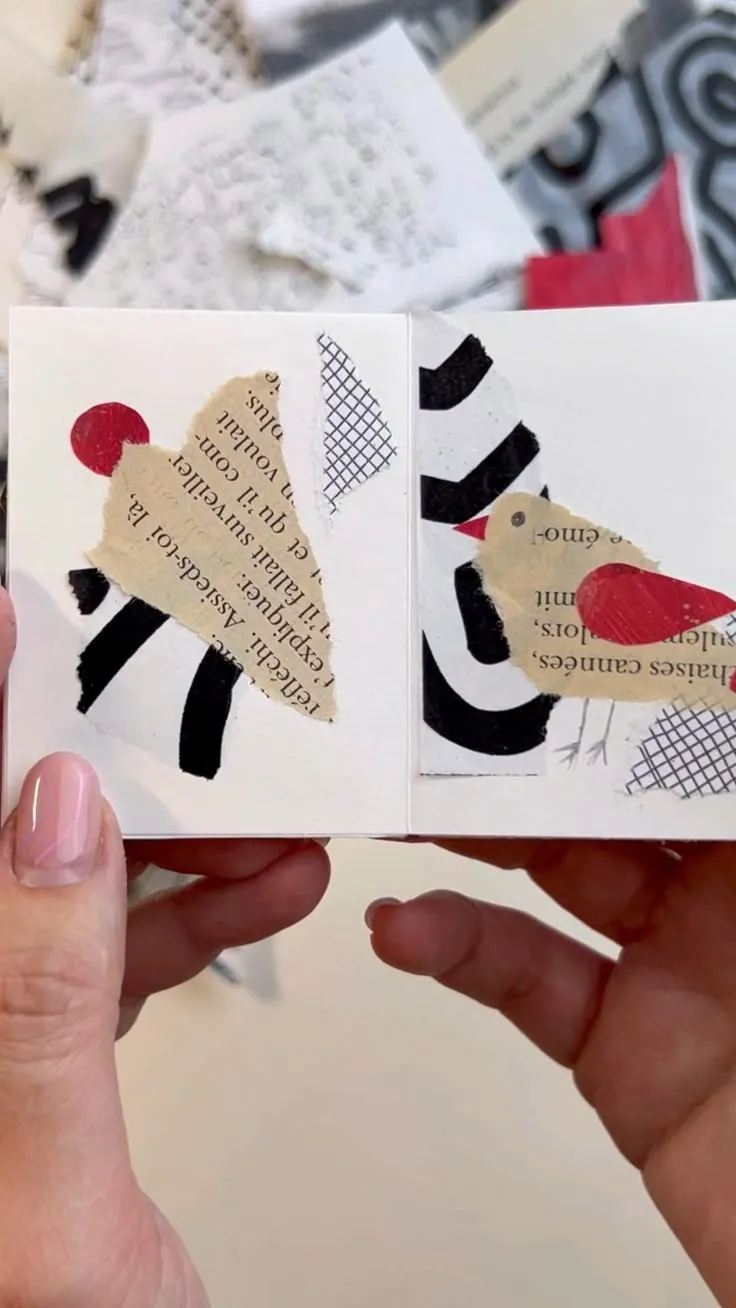
Photo: colorful handmade zines spread on table with scissors and collage materials, via i.pinimg.com
The Stapler Is Mightier Than the Algorithm
There's something almost rebellious about a folded piece of paper in 2024. In an era when content is king and engagement metrics rule everything, the humble zine — photocopied, hand-stapled, passed between strangers at a record store — refuses to optimize itself for anyone.
And that's exactly the point.
Across the United States, zine culture is experiencing a genuine renaissance, not the kind that gets a think piece in a legacy magazine and then quietly disappears, but a ground-level swell driven by artists, activists, queer communities, immigrants, and anyone else who's ever looked at a newsstand and thought: none of this is for me.
"I started my zine because I was exhausted waiting for permission," says Daria Okonkwo, who publishes Loud Quiet, a bimonthly zine out of Detroit focused on Black women in the electronic music scene. "Nobody was going to hand me column inches in some glossy publication. So I made my own glossy publication. Except mine's printed on cardstock from the dollar store and it's better."
What's Old Is Radical Again
Zines aren't new. They trace their roots through 1970s punk culture, 1980s sci-fi fandom, 1990s riot grrrl movements — basically, every subculture that needed to communicate faster than the mainstream press was willing to move. What's different now is the infrastructure around them.
Distribution networks that once relied on a single sympathetic record shop owner have evolved into organized, community-driven ecosystems. The Denver Zine Library, the Chicago Zine Fest, Portland's Reading Frenzy (rest in peace, but its spirit lives on in a dozen successor projects) — these aren't fringe operations anymore. They're cultural institutions doing the work that underfunded public libraries and defunded arts programs can no longer carry alone.
In Brooklyn, a collective called Paperback Bloc runs a monthly zine swap that draws over 200 people to a community garden in Bushwick. Organizer Tomás Reyes describes it less as a publishing event and more as "infrastructure maintenance."
"We're building the connective tissue," he says. "Every time someone picks up a zine from a maker they've never heard of, that's a relationship that didn't exist before. That's community."
Digital Doesn't Kill the Zine Star
Here's where things get interesting: the digital turn hasn't killed zine culture. If anything, it's turbocharged it.
Platforms like Gumroad and Itch.io have become unlikely zine storefronts, letting makers in rural Mississippi or suburban Ohio reach readers in cities they'll never visit. Instagram, for all its algorithmic chaos, functions as a kind of zine discovery engine. And PDF zines — once considered a compromise — have become a legitimate format in their own right, especially for makers who want to keep their work free and accessible.
Sylvia Tran, who publishes Displaced, a zine about the Vietnamese American diaspora experience, releases every issue as both a print run of 150 copies and a free PDF download. "The print copies sell out in like two weeks," she says. "But the PDF has been downloaded thousands of times. People in Vietnam are reading it. That would've been impossible ten years ago."
The tension between scarcity and accessibility is something zine makers navigate constantly. There's cultural cache in the physical object — the smudged ink, the slightly crooked staple, the handwritten note tucked inside a copy ordered directly from the maker. But accessibility matters more to most of these creators than collector value ever will.
Margins, Centered
What makes the current zine moment feel genuinely significant — rather than just aesthetically appealing — is who's making them and what they're saying.
Trans zine makers are creating healthcare guides and legal resources for communities being legislated out of existence. Indigenous creators are publishing language preservation projects and land rights explainers. Disabled artists are building zine archives that document experiences the wellness industry keeps trying to sanitize. These aren't hobbyist projects. They're survival tools dressed up in collage and hand-lettering.
"Zines exist in the gap between what institutions will fund and what communities actually need," says Dr. Amara Singh, who studies grassroots media at the University of New Mexico. "They're cheap to make, impossible to fully suppress, and they don't require anyone's approval. That combination is extraordinarily powerful."
The Albuquerque Zine Collective, which Singh helped found, hosts free zine-making workshops in public libraries and community centers throughout New Mexico, specifically targeting first-generation college students and recent immigrants. The goal isn't to produce polished publications — it's to hand people the tools to narrate their own lives.
The Bonsonno Take
What zine culture understands instinctively is something Bonsonno has always believed: the most interesting cultural work happens outside the velvet rope. It happens when someone decides that waiting for validation is a worse option than just doing the thing.
A zine doesn't need a pitch deck. It doesn't need a brand deal or a distribution agreement or a social media strategy. It needs a story worth telling, someone with enough conviction to tell it, and access to a copy machine.
That's a remarkably low bar. And yet the stories coming out of this movement — from Detroit basements, Albuquerque libraries, Brooklyn community gardens — are some of the most urgent, honest cultural documents being produced in America right now.
Maybe the future of media isn't a platform. Maybe it's a stapler and a dream.
Where to Start
If you're curious about zine culture — whether you want to read, contribute, or make your own — here are a few places to plug in:
- Barnacle Zine Distro (barnacledistro.com) ships zines by BIPOC and queer makers across the US
- Zine Wiki maintains an open-source archive of zine history and current projects
- Local zine fests happen in most major US cities — search your city name + "zine fest" and you'll likely find something within driving distance
- Your public library — seriously, many now have zine collections and some host making workshops
The story's already being written. You just have to know where to look.